6th Annual HbbTV Symposium
HbbTV in Rome
Two days of presentations, speakers and the HbbTV Awards, held at the Auditorium Antonianum in Rome on 17–18 October 2017.
- Rome
- 2 Days
- 17–18 Oct
- Awards
- Speakers
- Agenda
The symposium in brief
About the event
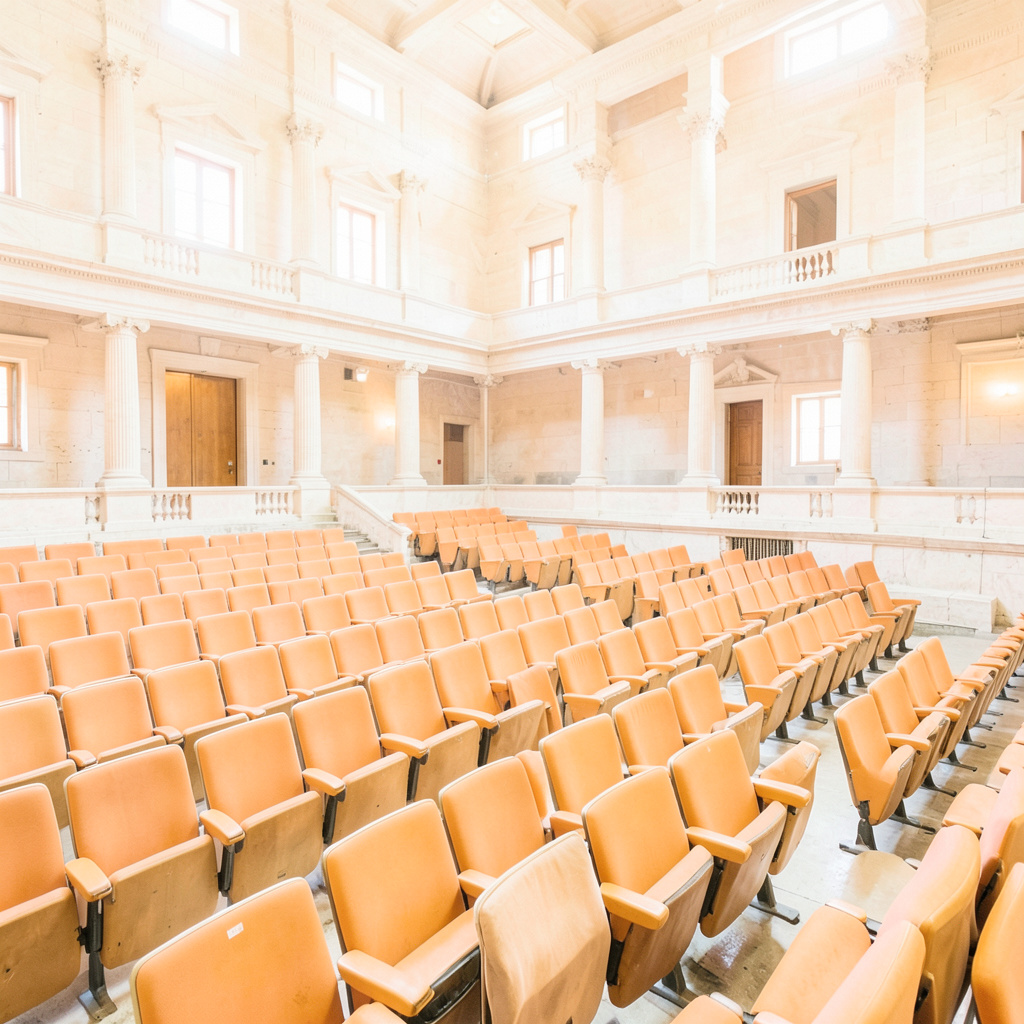
The VI HbbTv Symposium was the 6th Annual HbbTV Symposium, held in Rome on 17–18 October 2017. The programme brought together broadcasters, platform operators and technology companies working on HbbTV standards and connected TV.
The two days combined presentations and moderated sessions with the HbbTV Awards, where winners were announced in Diamond, Gold, Silver and Bronze categories. Featured speakers included David Uhlmann (Google), Pier Paolo Cervi (Mediaset), Alberto Sigismondi (Tivu), Matt Poole (ITV) and Jon Piesing (TP Vision).
Venue: Auditorium Antonianum, Rome. General enquiries: staff@hbbtvrome.com.
Presentations and awards
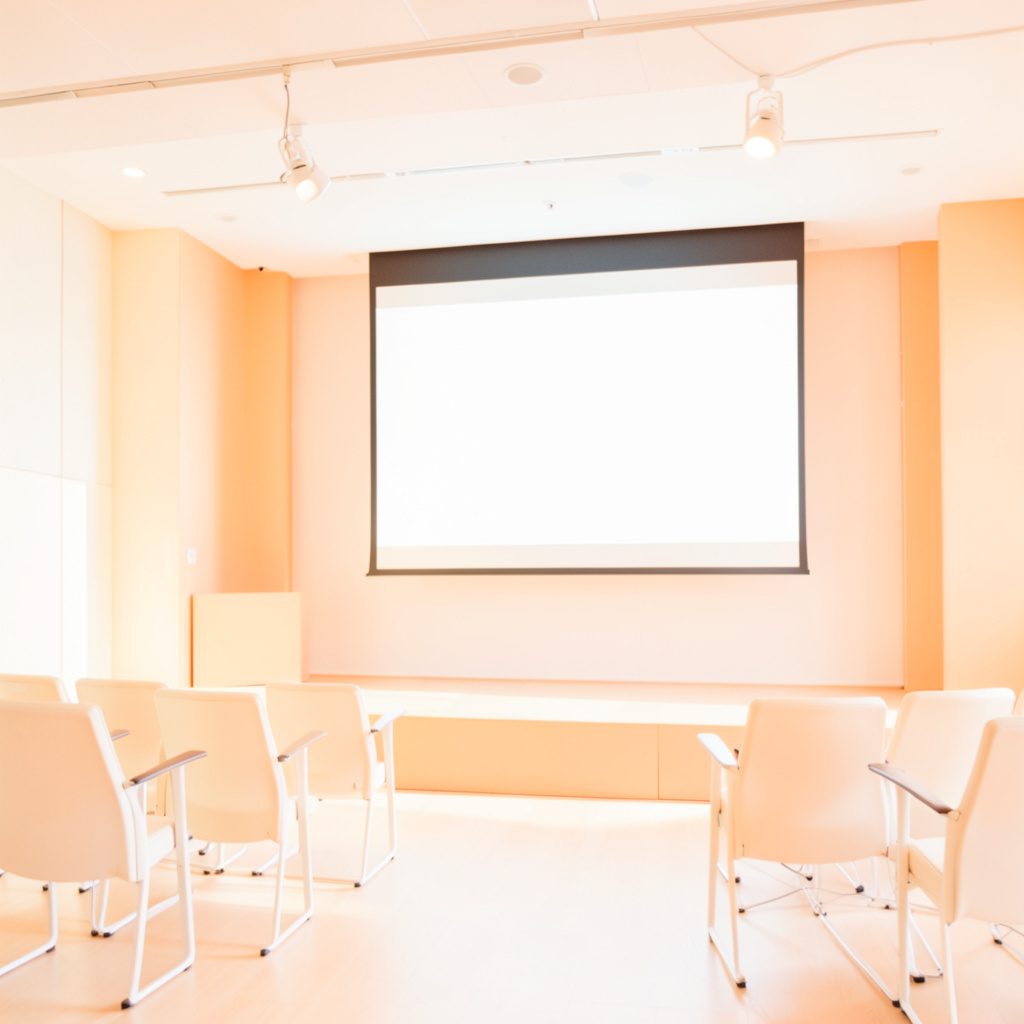
The symposium programme covered HbbTV standards and implementation, with presentations by industry experts and moderators across both days. The HbbTV Awards 2017 winners were announced during the event.
See the agenda for the two-day schedule of sessions.
HbbTV Awards 2017
| Category | Status |
|---|---|
| Diamond | Winner announced |
| Gold | Winner announced |
| Silver | Winner announced |
| Bronze | Winner announced |
- Dates17–18 October 2017
- VenueAuditorium Antonianum, Rome
- Edition6th Annual HbbTV Symposium
- Contactstaff@hbbtvrome.com
The HbbTV Symposium stands as a meeting point for everyone invested in the future of connected television, drawing broadcasters, platform operators, device makers and technology partners into a single shared conversation. Over two days in Rome, the event blends formal presentations with informal exchange, giving attendees room to compare notes on where hybrid television is heading. The atmosphere is deliberately collaborative rather than purely commercial, with sessions designed to spark discussion across the many disciplines that touch the standard. For newcomers and veterans alike, the symposium offers a rare chance to see the whole ecosystem gathered in one place, thinking out loud about the next steps.
Hybrid broadcast broadband television sits at the intersection of two worlds that once developed separately: the familiar reliability of broadcast and the flexibility of internet delivery. The symposium programme reflects that duality, exploring how services can combine linear transmission with on-demand content, interactive applications and personalised experiences. Speakers tend to focus on practical questions of implementation as much as grand vision, weighing what works today against what might be possible tomorrow. The result is a programme that respects the heritage of traditional television while openly embracing the changes reshaping how audiences discover and engage with content on the main screen in their homes.
The HbbTV Awards bring a welcome note of celebration to the proceedings, turning attention toward the people and teams building standout work on the platform. Categories recognise achievement across service design, technical innovation and user experience, among other areas, and the ceremony gives the community a moment to acknowledge effort that often happens behind the scenes. Winners are announced in front of peers and partners, and the recognition carries weight because it comes from within the industry itself. For many attendees, the awards are a highlight, a chance to see ambitious ideas rewarded and to leave with fresh inspiration for their own projects.
Speakers at the symposium come from a broad spread of organisations, from public and commercial broadcasters to standards bodies, research institutes and software specialists. Each brings a distinct perspective on what hybrid television should become, and the mix is part of what makes the programme compelling. Presentations are typically concise and focused, leaving space for questions and debate, while moderated panels encourage genuine back-and-forth rather than scripted agreement. Attendees often remark that the value lies as much in the corridors and coffee breaks as in the formal sessions, where candid conversations about shared challenges tend to flourish among people facing similar problems.
The Auditorium Antonianum provides an elegant setting for the event, its architecture lending a sense of occasion to two days of dense technical discussion. Rome itself adds considerably to the appeal, offering a backdrop that rewards anyone who arrives early or stays a little longer. The venue is arranged to keep people moving between the main stage, networking areas and sponsor displays, so that the day never feels static. Organisers pay attention to the rhythm of the programme, balancing longer presentations with shorter talks and breaks, ensuring that attention stays sharp and that conversation flows naturally throughout the schedule.
Sponsors and partners play a visible role in making the symposium possible, and their presence on the programme reflects the commercial energy surrounding the standard. Companies involved in devices, middleware, content delivery and audience measurement use the event to demonstrate how their offerings fit into the wider picture. Rather than feeling like a trade show, the sponsor involvement tends to feel integrated, with representatives contributing to discussions and answering practical questions from delegates. This arrangement benefits everyone: attendees gain insight into real deployments, while partners stay close to the concerns and priorities of the broadcasters and platforms they serve.
A recurring theme across the agenda is the audience experience, and how hybrid television can make the main screen more useful, more personal and more engaging. Sessions touch on navigation, discoverability, accessibility and the design of interactive services that feel natural rather than intrusive. There is a shared understanding that technology only matters when it improves what viewers actually encounter, and much of the discussion circles back to usability. Speakers consider how new capabilities can be introduced without overwhelming people who simply want to watch something, and how services can adapt to different habits, devices and expectations across households and regions.
The technical side of the programme digs into the standards, specifications and implementation details that underpin hybrid services. Topics range across signalling, application lifecycle, device profiles and the practicalities of ensuring that services behave consistently across a fragmented landscape of televisions and set-top boxes. Engineers and architects share lessons from deployments, sometimes describing what went wrong as candidly as what went right, which tends to be among the most valued content of the event. These sessions help the community converge on shared approaches and reduce the friction that comes from divergent interpretations of the same specification.
Beyond the formal programme, the symposium functions as a forum in the truest sense, a place where the industry can air disagreements and test ideas in front of a knowledgeable audience. Questions from the floor are common, and speakers are generally willing to engage with challenges rather than deflect them. This openness gives the event a working-session quality that distinguishes it from purely promotional gatherings. Attendees leave with a clearer sense of the debates shaping the platform, and often with new collaborators or contacts who share their particular concerns, whether those involve standards, content strategy or the practicalities of running services at scale.
For anyone weighing whether to attend, the symposium rewards a curious and engaged mindset rather than a narrowly commercial one. The mix of presentations, awards, networking and informal discussion suits people who want to understand the whole picture, not just their own corner of it. First-time visitors often find the community welcoming and the conversations easy to join, while regulars value the continuity of seeing familiar faces and tracking how priorities shift from year to year. Whether the interest lies in devices, broadcast, broadband or audiovisual design, the event offers a considered view of where hybrid television stands and where it might go next.
News highlights
D-Book 10
DTG released the D-Book 10 DTT specification for the UK, 3 November 2017.
Freeview award
Freeview took out a marketing award at the international HbbTV awards, October 2017.
Stretch TV
Italy presented ‘stretch TV’ at the HbbTV Symposium, October 2017.
Addressable TV
The business model for addressable TV worked well in the Czech Republic, October 2017.
Freeview Explore
Digital UK won a top tech award for Freeview Explore, October 2017.
Sat.tv
Sat.tv became accessible through HbbTV, October 2017.
Mediaset apps
Mediaset planned to introduce HbbTV apps in Italy, September 2017.
IPTV specification
The HbbTV Association published its IPTV Specification, September 2017.


Get in touch
General information: staff@hbbtvrome.com. Sponsorship: Andrea M. Michelozzi, +34 606 516 106, andrea@hbbtvrome.com.